
Markets and Economy Are we there yet? Bull market may have more miles
October 19, 2026


Economic growth has remained resilient and above trend,1 supported by strong corporate earnings growth2 and the AI investment boom.3 But moderating risk appetite, rising bond yields, tighter financial conditions, geopolitical risks, and reaccelerating inflation momentum4 may suggest the economic cycle could be approaching an important juncture.
Our framework remains in a slowdown regime, reflecting above-trend global economic growth alongside continued moderation in global risk appetite. We believe stronger economic momentum and historic earnings growth have enabled markets and the economy to absorb tighter financial conditions so far, in our view, but the path toward further upside or softer growth remains uncertain. This balance of positive and negative risks warrants portfolio diversification, in our view.
We maintain an overall risk-neutral stance. We remain moderately overweight stocks relative to bonds, favoring defensive factors such as quality and low volatility and sectors such as information technology, health care, and consumer staples. In bonds, we maintain a moderate underweight and use interest rate duration to hedge downside growth risks.
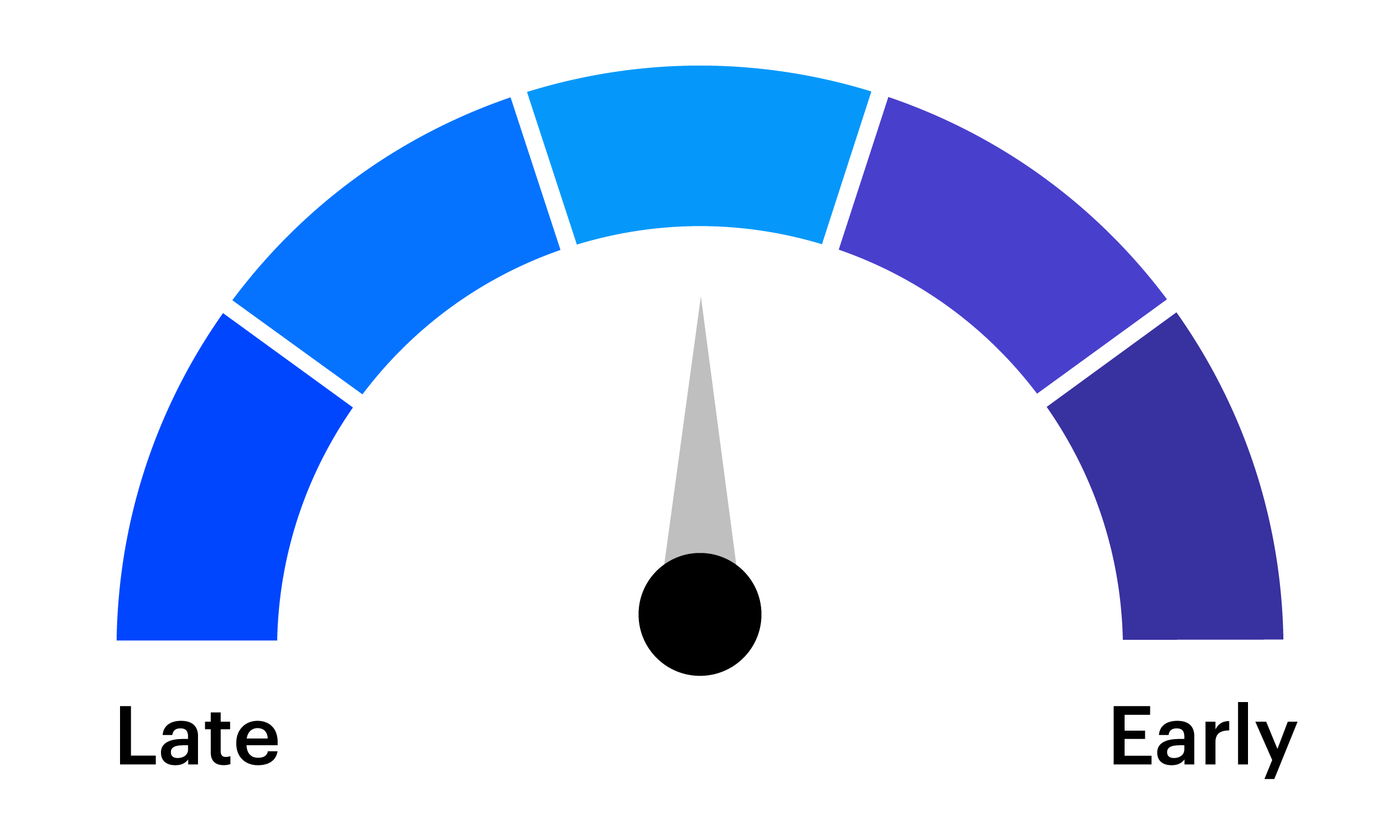
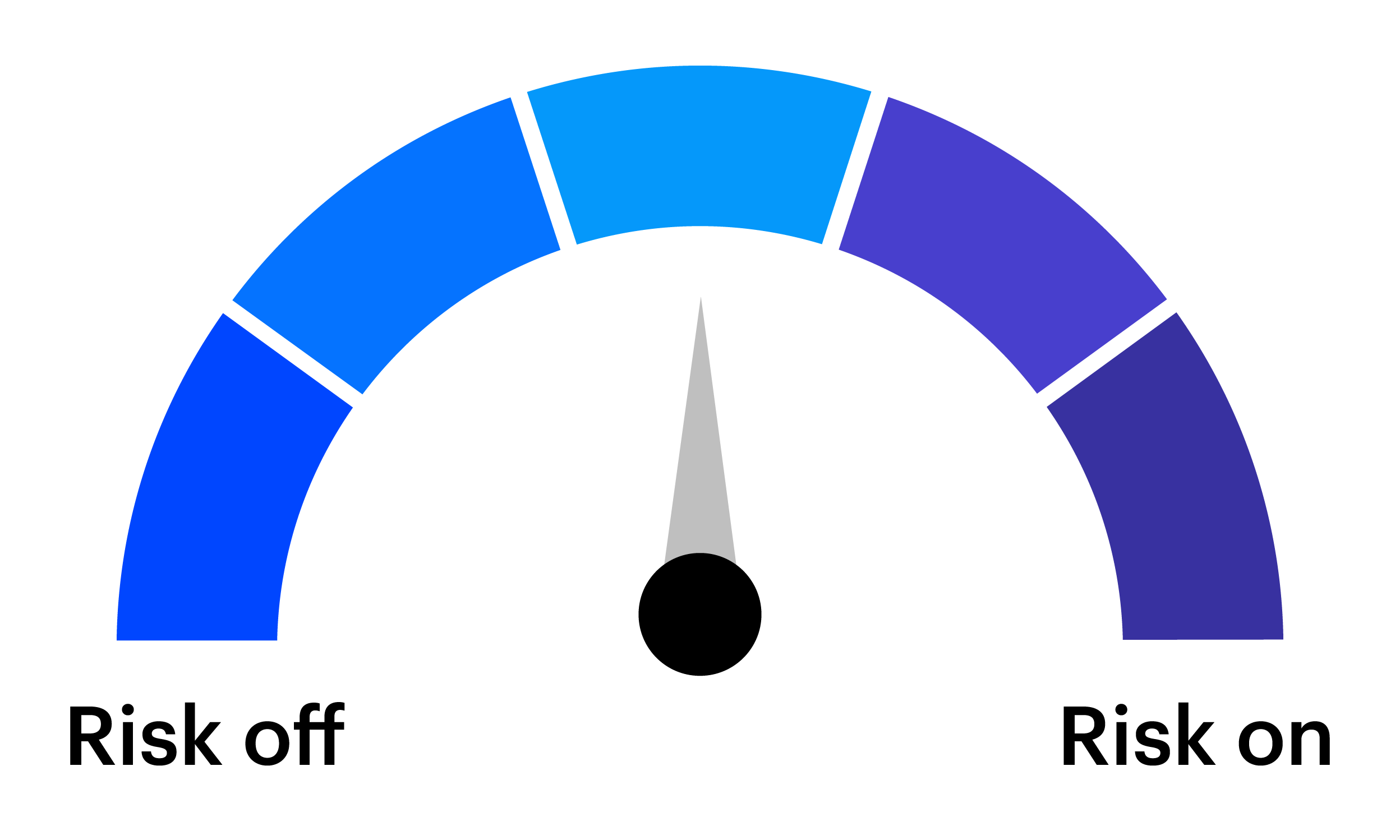
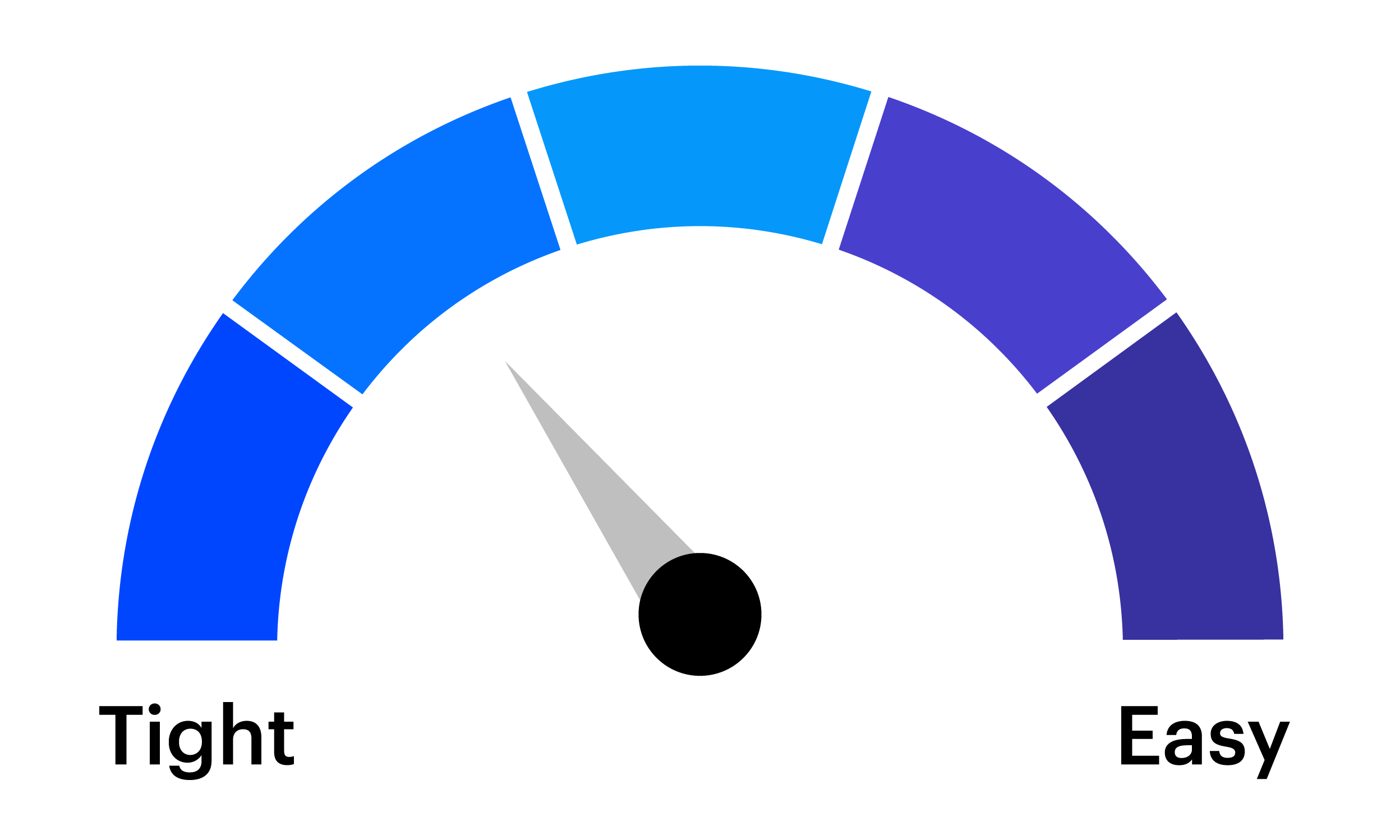
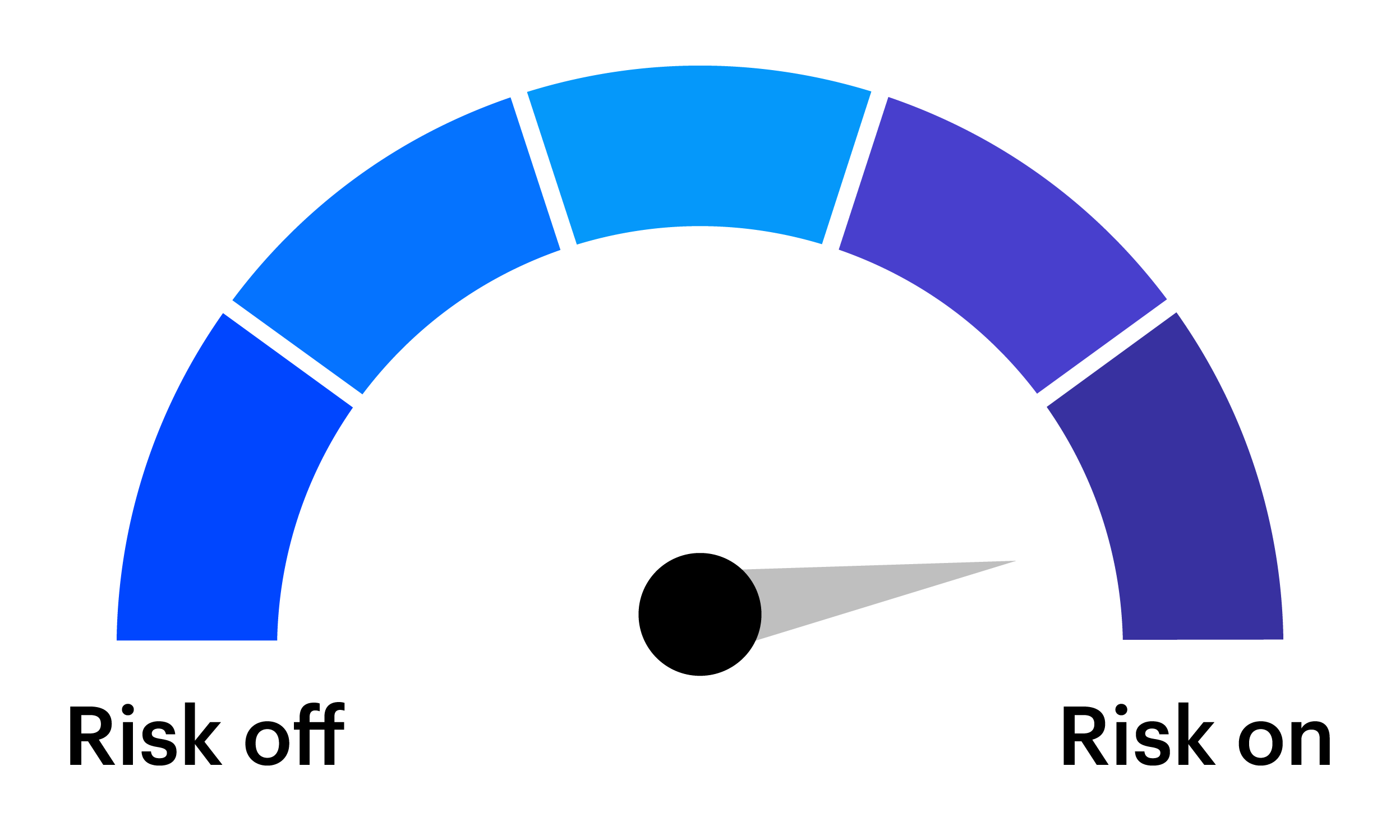
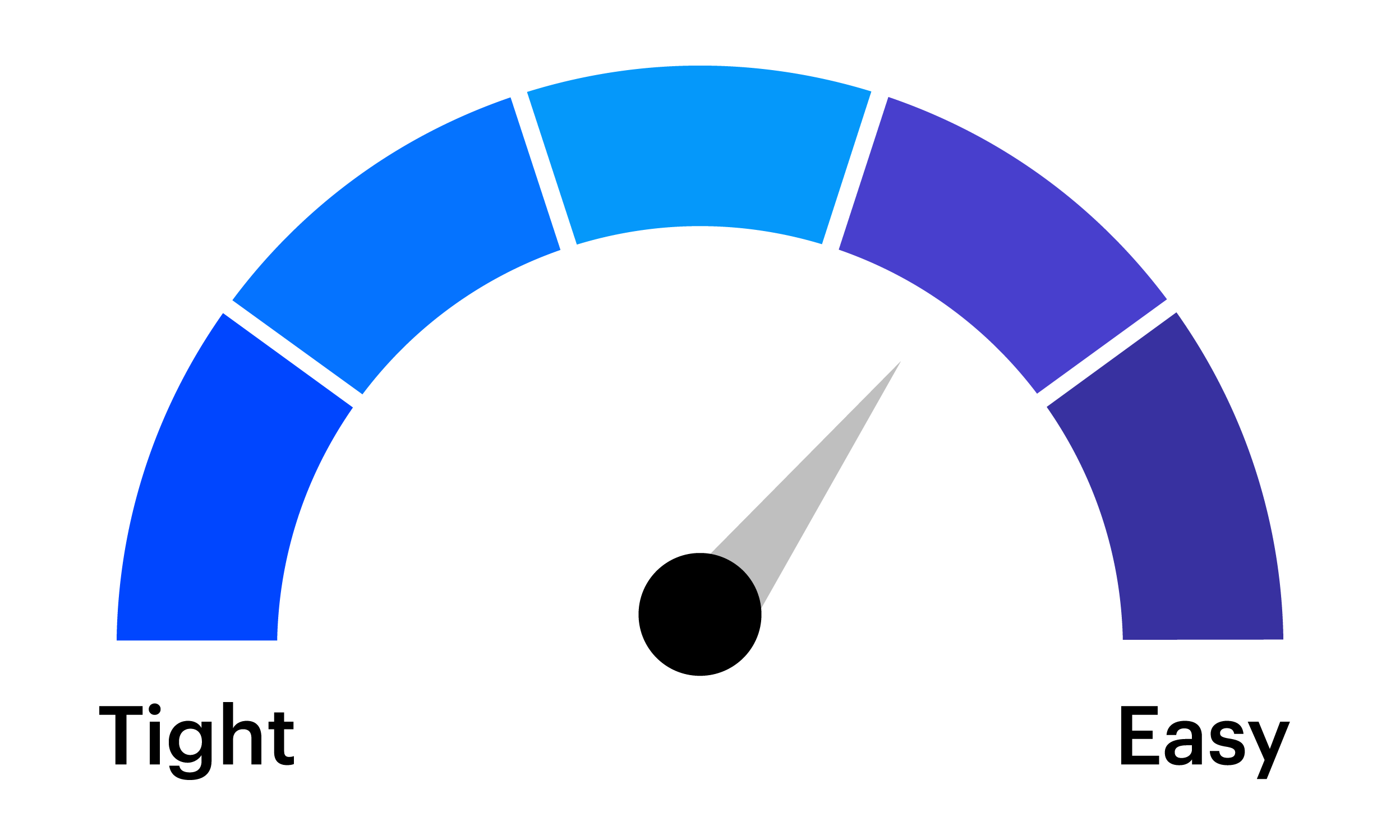
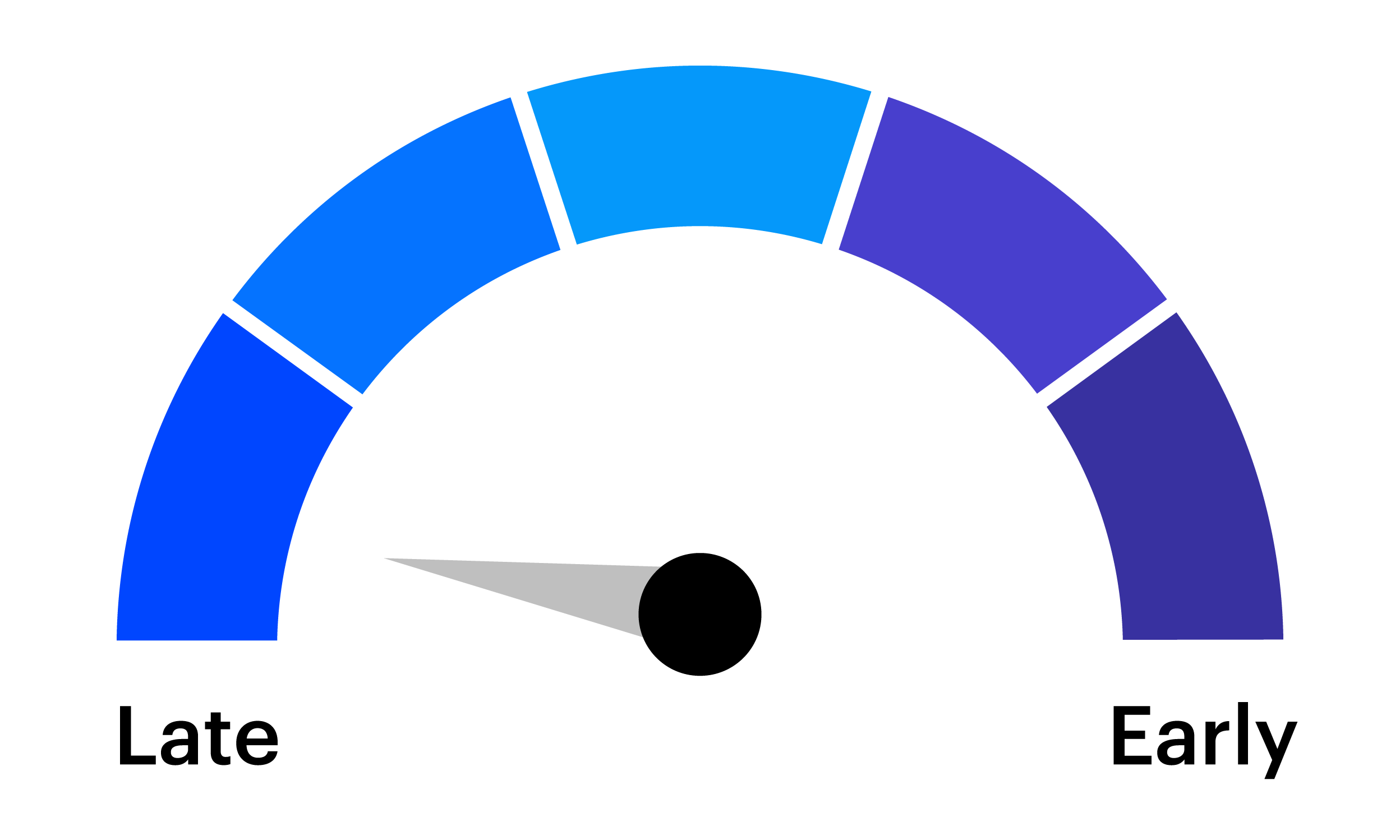
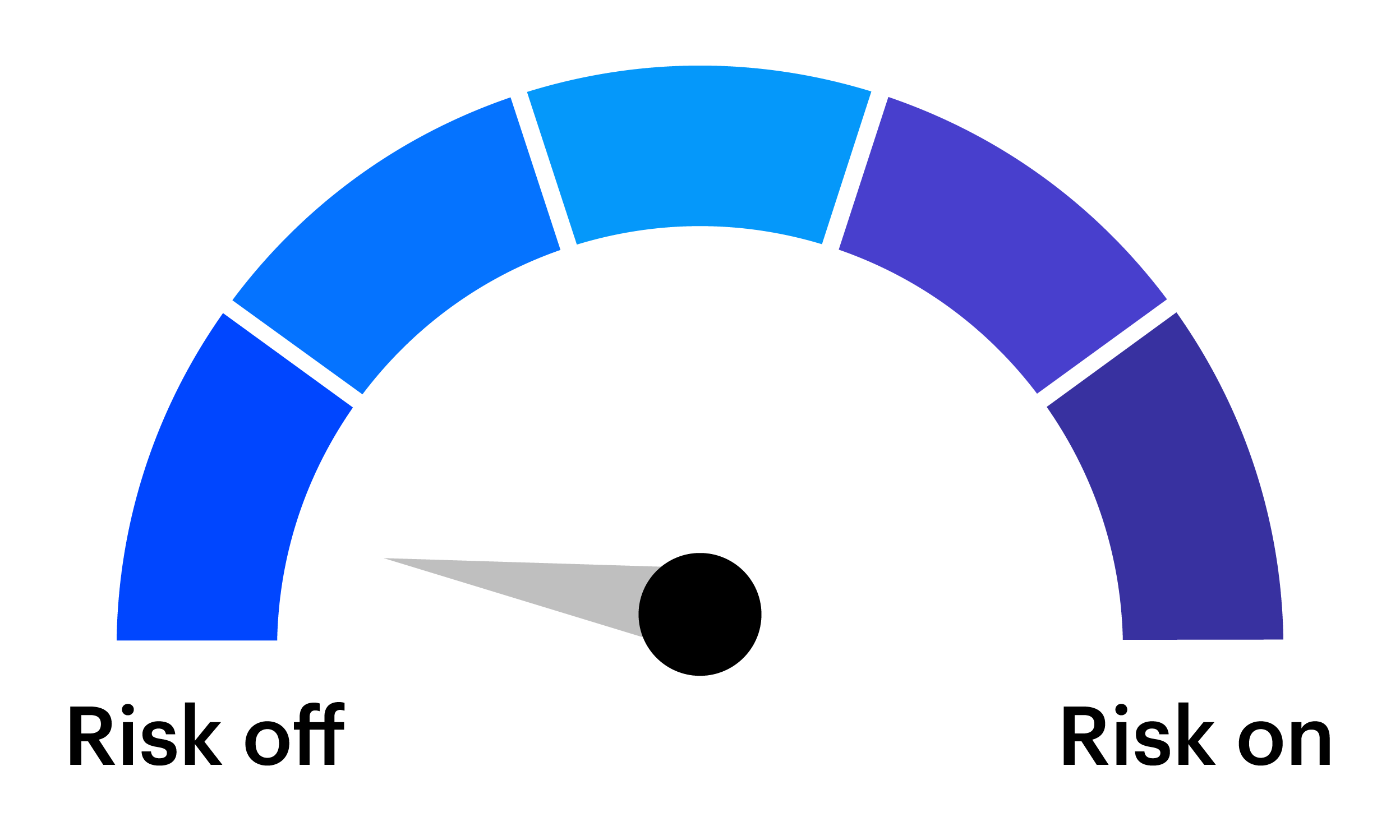
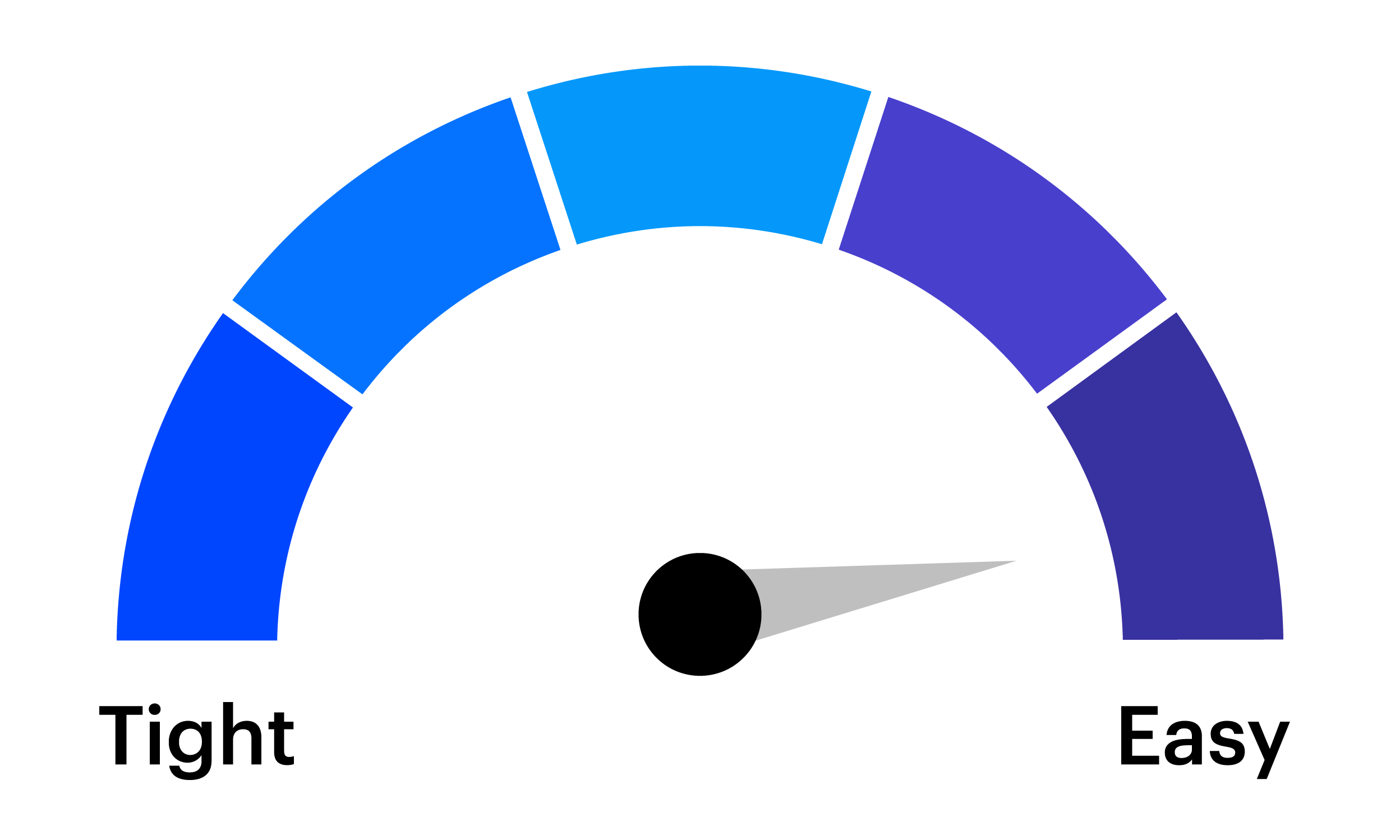
A challenge for tactical investors is preparing for the expected and anticipating the unexpected. The tactical asset allocation (TAA) framework from the Invesco Solutions team is designed to enhance a long-term strategic asset allocation (SAA) by making portfolio tilts based on near-term market views.
The tactical, dynamic factor rotation shown below is also utilized in the Invesco Russell 1000® Dynamic Multifactor ETF (OMFL).
Explore further research and analysis from our market and investment experts.


Important Information
NA5897240
Artificial intelligence (AI) technology companies are sensitive to specific risks such as small markets, business cycle changes, economic growth, technological progress, obsolescence, and regulation. These companies may have limited products, markets, resources, or personnel, making their securities more volatile, especially for smaller start-ups. Rapid technological changes can adversely affect their results. AI companies often rely on patents, copyrights, trademarks, and trade secrets to protect their technology, but there's no guarantee these protections will be sufficient. Significant research and development (R&D) spending doesn’t ensure product or service success.
The health care industry is subject to risks relating to government regulation, obsolescence caused by scientific advances, and technological innovations.
Investments focused on a particular industry or sector are subject to greater risk and can be more impacted by market volatility than more diversified investments.
Duration is a measure of the sensitivity of the price (the value of principal) of a fixed income investment to a change in interest rates. Duration is expressed as a number of years.
Diversification does not guarantee a profit or eliminate the risk of loss.
Larger, more established companies may be unable to respond quickly to new competitive challenges such as changes in consumer tastes or innovative smaller competitors. Returns on investments in large capitalization companies could trail the returns on investments in smaller companies.
Class Y shares are closed to most investors. Please see the prospectus for more details.
Tightening is a monetary policy used by central banks to increase interest rates to slow economic growth and curb inflation.
This does not constitute a recommendation of any investment strategy or product for a particular investor. Investors should consult a financial professional before making any investment decisions.
Past performance does not guarantee future results. An investment cannot be made directly into an index.
All investing involves risk, including the risk of loss.
Some products are offered through affiliates of Invesco Distributors, Inc.
The opinions referenced above are those of the author as of October 2026. These comments should not be construed as recommendations, but as an illustration of broader themes. Forward-looking statements are not guarantees of future results. They involve risks, uncertainties, and assumptions; there can be no assurance that actual results will not differ materially from expectations.
Tightening is a monetary policy used by central banks to normalize balance sheets.
There are risks involved with investing in ETFs, including possible loss of money. Index-based ETFs are not actively managed. Actively managed ETFs do not necessarily seek to replicate the performance of a specified index. Both index-based and actively managed ETFs are subject to risks similar to stocks, including those related to short selling and margin maintenance. Ordinary brokerage commissions apply. The Fund's return may not match the return of the Index. The Fund is subject to certain other risks. Please see the current prospectus for more information regarding the risk associated with an investment in the Fund.
Growth stocks tend to be more sensitive to changes in their earnings and can be more volatile.
A value style of investing is subject to the risk that the valuations never improve or that the returns will trail other styles of investing or the overall stock markets.
Stocks of small- and mid-sized companies tend to be more vulnerable to adverse developments, may be more volatile, and may be illiquid or restricted as to resale.
Fixed income investments are subject to credit risk of the issuer and the effects of changing interest rates. Interest rate risk refers to the risk that bond prices generally fall as interest rates rise and vice versa. An issuer may be unable to meet interest and/or principal payments, thereby causing its instruments to decrease in value and lowering the issuer’s credit rating.
Credit spread is the difference between Treasury securities and non-Treasury securities that are identical in all respects except for quality rating.
Alternative products typically hold more non-traditional investments and employ more complex trading strategies, including hedging and leveraging through derivatives, short selling and opportunistic strategies that change with market conditions. Investors considering alternatives should be aware of their unique characteristics and additional risks from the strategies they use. Like all investments, performance will fluctuate. You can lose money.
The risks of investing in securities of foreign issuers, including emerging market issuers, can include fluctuations in foreign currencies, political and economic instability, and foreign taxation issues.
Junk bonds involve a greater risk of default or price changes due to changes in the issuer’s credit quality. The values of junk bonds fluctuate more than those of high quality bonds and can decline significantly over short time periods.
In general, stock values fluctuate, sometimes widely, in response to activities specific to the company as well as general market, economic, and political conditions.
Municipal securities are subject to the risk that legislative or economic conditions could affect an issuer’s ability to make payments of principal and/ or interest.
An investment in emerging market countries carries greater risks compared to more developed economies.
Many products and services offered in technology-related industries are subject to rapid obsolescence, which may lower the value of the issuers.
Change site/location
